Having backups is not the same as being able to recover. Here is a practical plan for business software: what to back up, how often, where to store it, and how to prove a restore works before you need it.
Every slow release and "we can't change that" is a symptom. Here are seven warning signs of technical debt, what it costs, and a practical plan to pay it down without freezing your product.
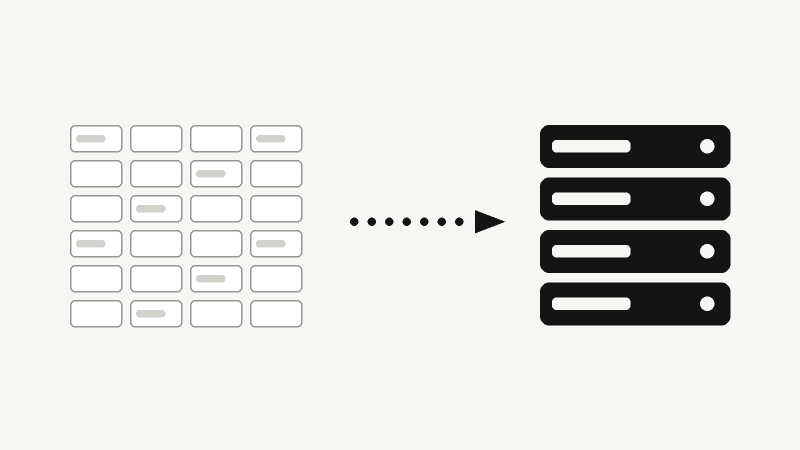
Moving from spreadsheets or an old system to new software? This data migration plan covers audit, cleaning, mapping, rehearsals, cutover and rollback, so go-live day is boring.
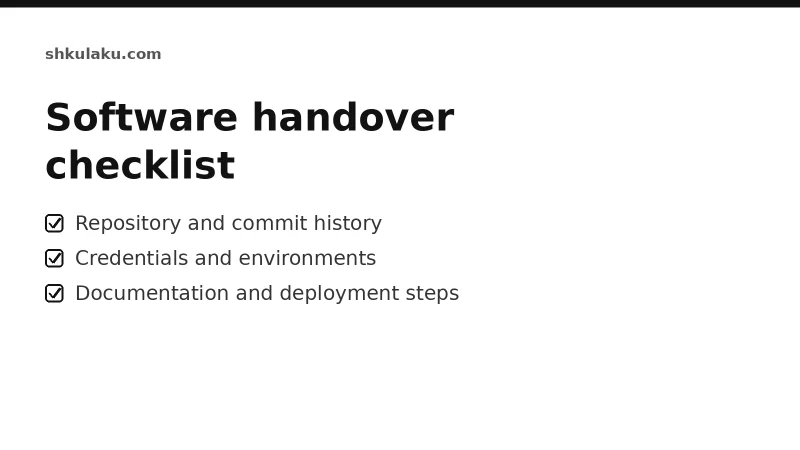
Paid for custom software but can't say who holds the keys? Use this software handover checklist to make sure you receive the code, access, documentation and know-how that make the system truly yours.
Freelancer, agency or in-house developer? A practical comparison of cost, speed, risk and continuity, with a simple way to choose the right model for your software project.
Fixed price or time and materials? How to choose the right contract model for your software project, and the clauses on scope, ownership and handover that protect you either way.
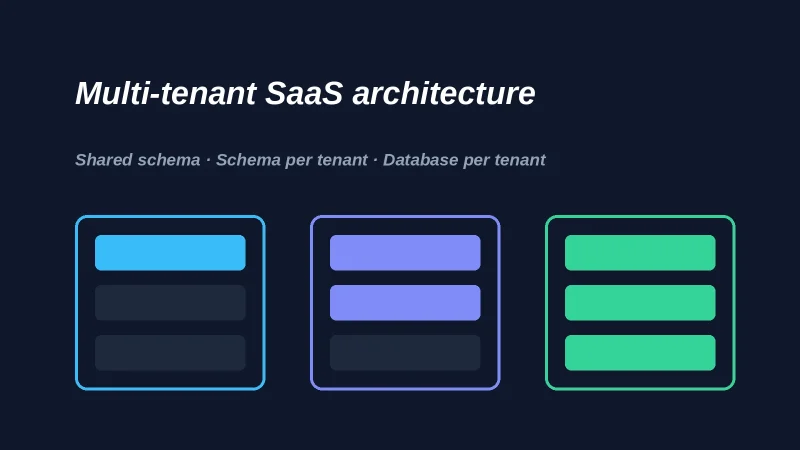
Shared schema, schema per tenant or database per tenant? A practical guide to multi-tenant SaaS architecture, with trade-offs, a comparison table and a sensible default for early-stage products.
HubSpot and Salesforce are the right answer for most teams. But some businesses end up bending their sales process around the tool. Here is how to tell which camp you are in, and what a custom CRM really involves.
An AI voice agent can answer the phone, book appointments and log every call, but only if it is connected to your systems and has a clean handoff to people. Here is what works, what fails, and how to start safely.
Off-the-shelf platforms get you selling fast; custom stores fit unusual processes. Here is how to compare WooCommerce and custom e-commerce on cost, control and risk, and a checklist to decide.